From Big Machines to Small Miracles – The Technological Evolution of Hardware Towards Compact and Energy-Efficient Devices

From Big Machines to Small Miracles – The Technological Evolution of Hardware Towards Compact and Energy-Efficient Devices
From the room-sized computers of the mid-20th century to today’s ultra-thin laptops and smartwatches, the story of hardware development is one of relentless miniaturisation and efficiency. What once required entire laboratories and vast amounts of electricity can now fit in the palm of a hand – and run for days on a single charge. But how did we get here, and what does this evolution mean for our daily lives and the planet?
From Vacuum Tubes to Microchips
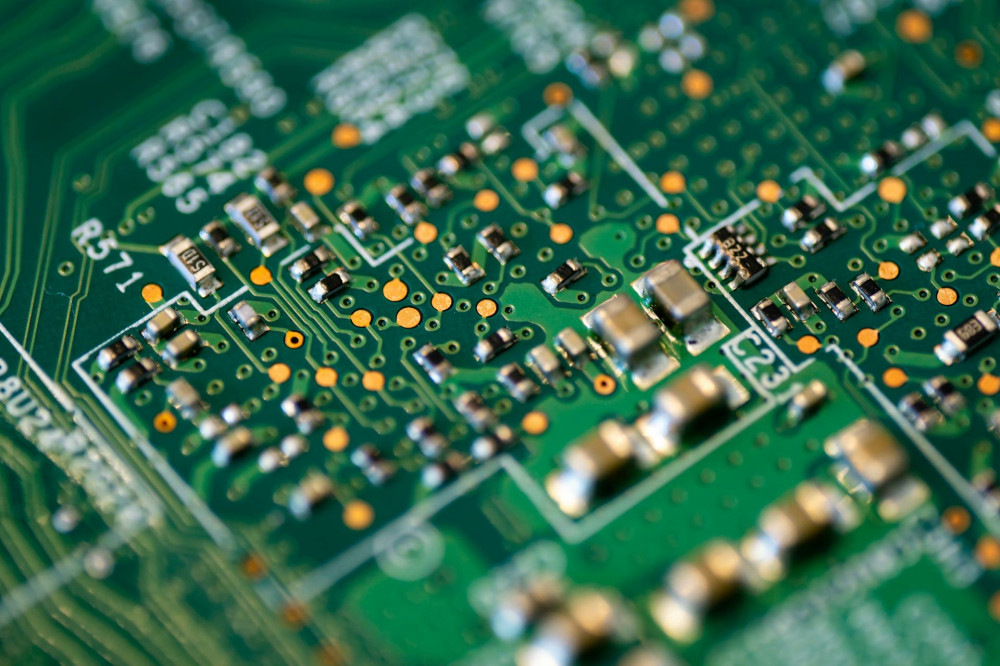
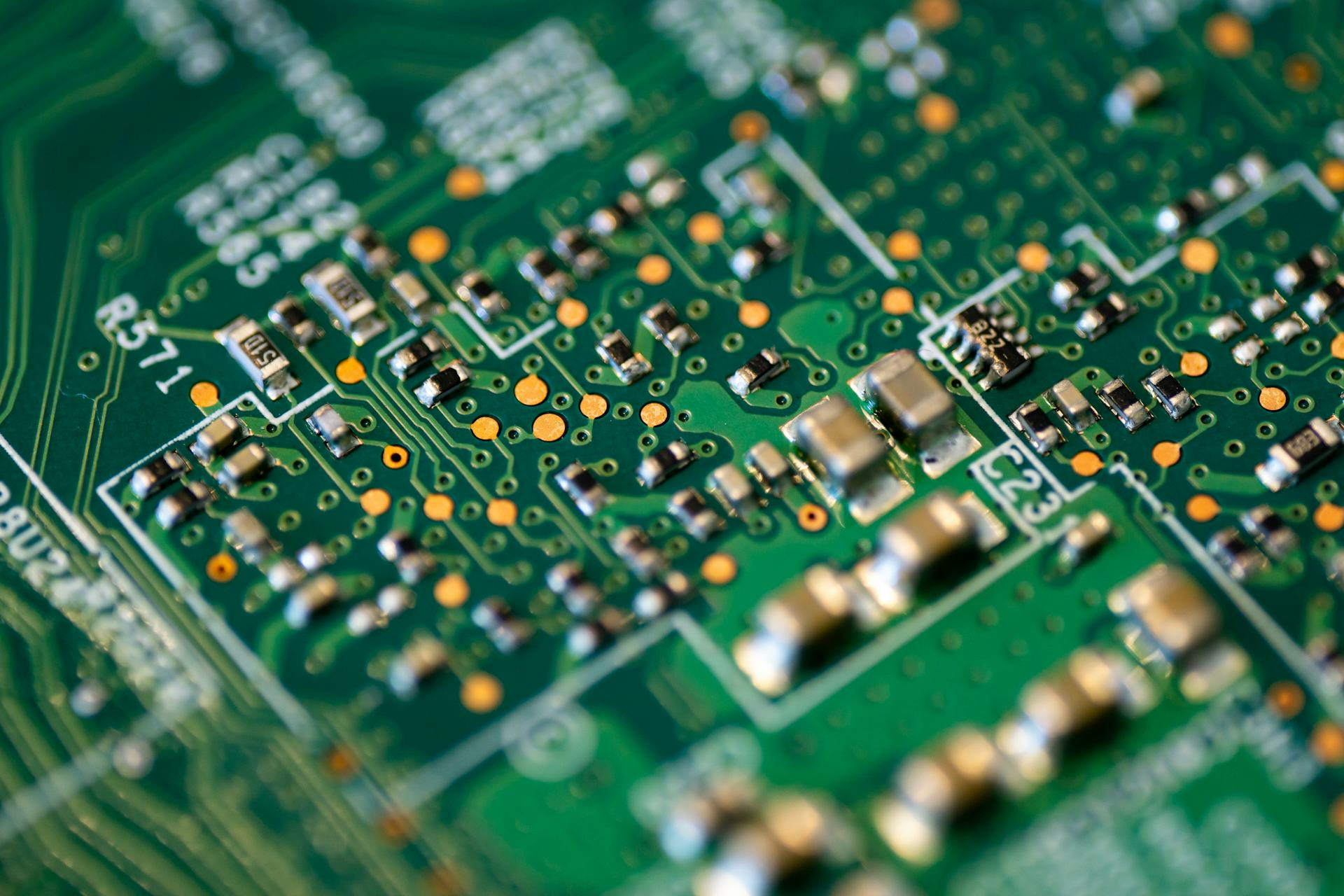
In the early days of computing, machines like Colossus and ENIAC were enormous, power-hungry, and temperamental. The shift from vacuum tubes to transistors in the 1950s marked the first great leap towards smaller, more reliable, and energy-efficient systems. The transistor not only reduced size and heat but also paved the way for the integrated circuit.
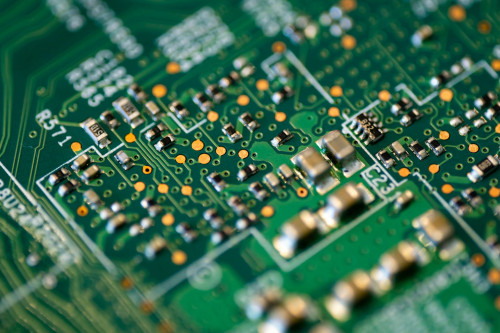
By the 1970s, the invention of the microprocessor – effectively a computer on a single chip – revolutionised technology. It enabled the birth of the personal computer and set the stage for decades of exponential progress, famously captured by Moore’s Law: the doubling of transistors on a chip roughly every two years. This principle has driven both performance and efficiency improvements ever since.
The Portable Revolution
When the first portable computers appeared in the 1980s, they were still bulky and had limited battery life. Yet, as battery technology improved and processors became more efficient, laptops quickly became indispensable tools for work, study, and travel.
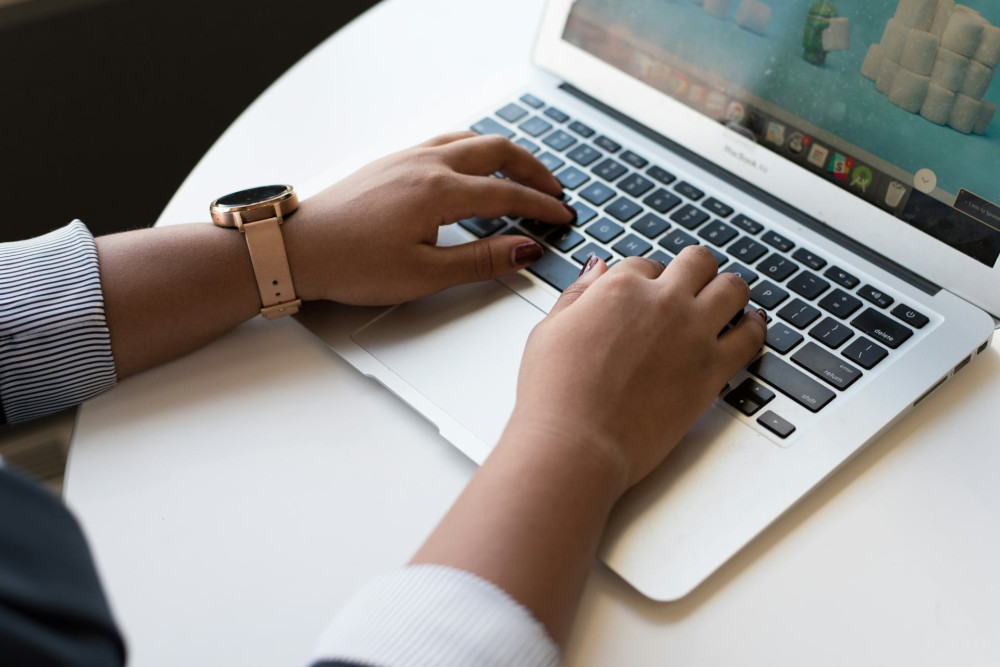
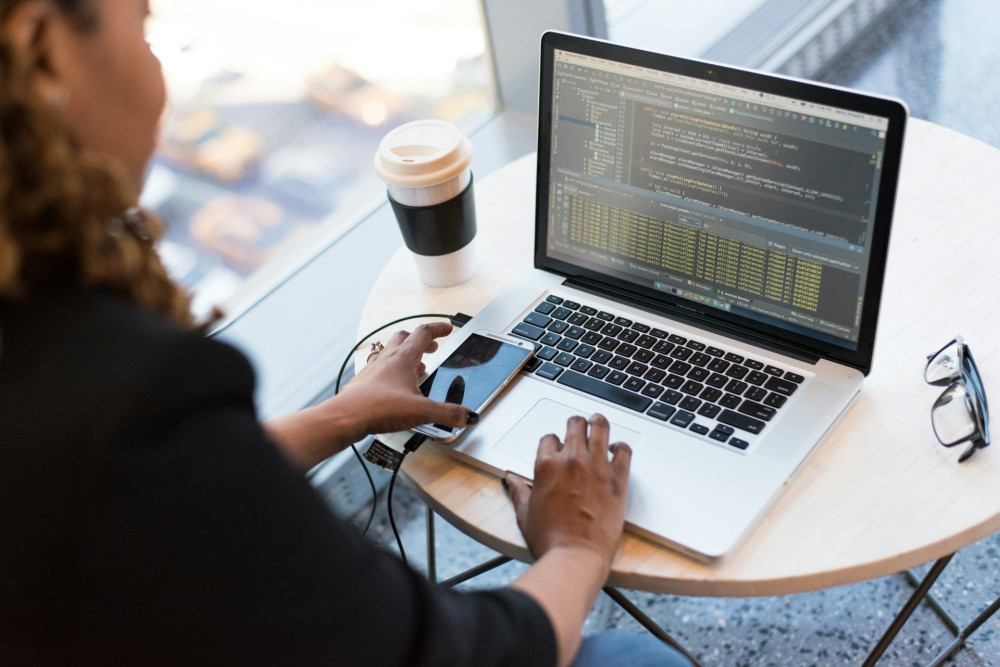
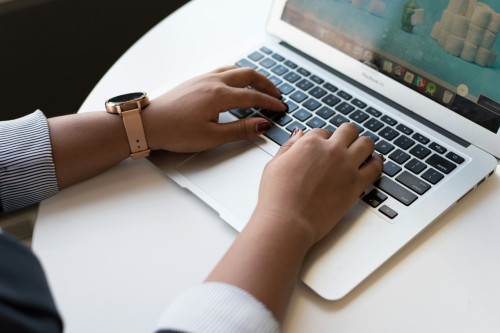
Today’s laptops are thinner, lighter, and capable of lasting an entire working day on one charge. Meanwhile, smartphones and tablets have taken over many of the tasks once reserved for desktop computers. Mobile hardware has freed us from the desk, enabling a new level of flexibility and connectivity that defines modern life in the UK and beyond.
Energy Efficiency as a Driving Force
As our digital consumption grows, so does the demand for energy. Data centres powering cloud services and streaming platforms consume vast amounts of electricity. This has made energy efficiency a top priority for hardware designers and manufacturers.
Modern processors are built to adapt dynamically to workload demands, using only as much power as necessary. Advances in materials science – including the use of graphene and silicon carbide – have opened new possibilities for faster, cooler, and more efficient chips. At the same time, innovations in cooling systems and power management have made devices both greener and more reliable.
From Computers to Connected Everything
Hardware is no longer confined to computers and phones. Today, advanced chips are embedded in everything from cars and kitchen appliances to hearing aids and wearable devices. The Internet of Things (IoT) has connected even the smallest gadgets, demanding ultra-low power consumption and compact design.
A modern smartwatch, for example, contains multiple sensors, processors, and wireless modules – more computing power than a desktop from the 1990s – yet it runs for days on a tiny battery. This transformation has made technology more personal, accessible, and seamlessly integrated into everyday life.
Læs også:

The Future: Small, Green, and Intelligent
The journey towards smaller and more efficient hardware is far from over. Researchers are exploring quantum computing, neuromorphic chips that mimic the human brain, and flexible electronics that can be woven into clothing or even embedded in skin. Sustainability is also becoming a central concern: future hardware must not only be powerful and compact but also recyclable, durable, and environmentally responsible.
We are entering an era where technology becomes almost invisible yet ever-present. The massive machines that once symbolised progress have given way to small, silent miracles that power our world efficiently and intelligently – shaping a future where innovation and sustainability go hand in hand.
Læs også: