How to Prevent Damage to Delicate Surfaces During Industrial Cleaning

How to Prevent Damage to Delicate Surfaces During Industrial Cleaning
Industrial cleaning is not only about removing dirt and bacteria – it’s also about preserving the materials and surfaces being cleaned. Many workplaces in the UK have delicate surfaces such as stainless steel, glass, painted finishes, electronics, and coated materials that require special care. Using the wrong method or cleaning agent can quickly lead to scratches, discolouration, or permanent damage. Here’s a guide to help you prevent damage to delicate surfaces during industrial cleaning.
Know the Material – and Its Limitations
The first step in careful cleaning is understanding what you’re working with. Surfaces may look similar but can react very differently to chemicals and mechanical action.
- Stainless steel generally tolerates water and mild detergents but can corrode if exposed to chlorine-based products.
- Aluminium is sensitive to strong acids and alkalis, which can etch or dull the surface.
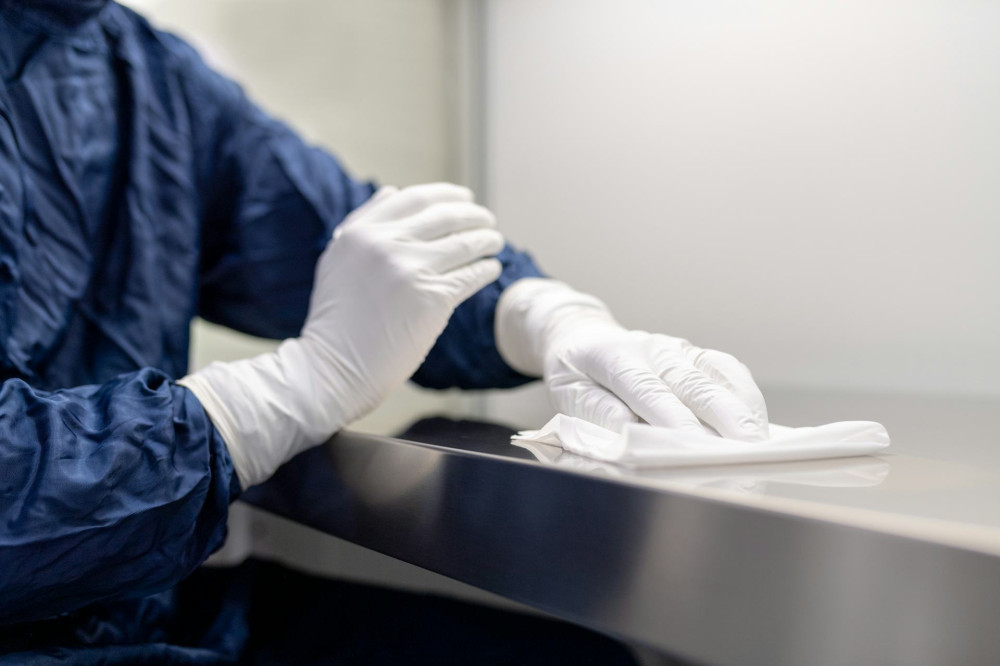
- Glass and acrylic require soft cloths and non-abrasive cleaners to avoid scratching.
- Painted or lacquered surfaces can lose their shine or develop stains if solvents are used.
Create an inventory of the materials present in your facility and adapt cleaning methods accordingly. This saves both time and repair costs.
Choose the Right Cleaning Agents
A cleaning product that works well in one area can be damaging in another. Always select products designed for the specific surface or application.
- Use pH-neutral cleaners for routine cleaning of sensitive surfaces.
- Avoid chlorine, ammonia, and strong solvents unless explicitly recommended by the manufacturer.
- Always test new products on a small, inconspicuous area before applying them more widely.
It’s worth consulting with your supplier or chemical provider to ensure compatibility between cleaning agents and materials.
Use the Correct Equipment
Even the best cleaning agent can cause damage if the equipment is unsuitable. Hard brushes, rough sponges, or worn microfibre cloths can scratch surfaces, especially metal and glass.
- Choose high-quality microfibre cloths designed for professional use.
- Use soft brushes or non-abrasive pads for delicate areas.
- Replace cloths and mop heads regularly – trapped dirt and particles can act like sandpaper.
When cleaning electronics or machinery with sensitive components, use antistatic tools to prevent electrostatic discharge.
Læs også:


Control Water and Moisture
Water is an effective cleaning resource, but excessive moisture can cause problems in industrial environments. Electrical systems, sensors, and machine parts can be damaged if exposed to water under pressure or for prolonged periods.
Use controlled amounts of water and always dry surfaces thoroughly with a clean, dry cloth. When pressure washing, ensure that sensitive areas are covered and that water does not penetrate joints or electrical components.
Follow Manufacturer Guidelines
Many surfaces and machines come with specific cleaning instructions from the manufacturer. These should always be followed carefully. If a particular product or method is prohibited, there’s a good reason – ignoring it could void warranties or shorten the equipment’s lifespan.
Create a cleaning manual for your facility, outlining which products and methods apply to each area. This ensures consistency and reduces the risk of mistakes.
Train and Instruct Staff
Even the best procedures only work if staff understand and follow them. Training in the correct handling of cleaning agents, equipment, and surfaces is therefore essential.
Hold regular training sessions and refreshers to keep staff up to date on new products, safety measures, and environmental considerations. This improves both efficiency and workplace safety.
Document and Review
A systematic approach to cleaning makes it easier to identify issues before they escalate. Keep records of which products and methods are used, and log any damage or irregularities. This allows you to adjust procedures and prevent repeat problems.
Regular reviews of cleaning routines also help ensure compliance with internal standards and external regulations – particularly important in sectors such as food production, healthcare, and pharmaceuticals.
Gentle Cleaning Pays Off
Preventing damage to delicate surfaces isn’t just about appearance – it’s about reliability, hygiene, and cost efficiency. A scratched machine or damaged coating can lead to downtime, complaints, and unnecessary expenses.
With the right knowledge, suitable products, and a careful approach, industrial cleaning can be both effective and gentle. It’s good practice – and good business.
Læs også: