Sustainable Facility Management: Uniting Economy and Environment in Practice


Sustainable Facility Management: Uniting Economy and Environment in Practice
Sustainability is no longer a buzzword – it is a necessity. As businesses and public institutions across the UK face increasing pressure to reduce their environmental footprint, facility management plays a crucial role. It is not just about keeping buildings clean and operational, but about doing so in a way that supports both environmental responsibility and economic efficiency. At its core, sustainable facility management is the art of combining operational performance with responsible resource use.
What Does Sustainable Facility Management Mean?
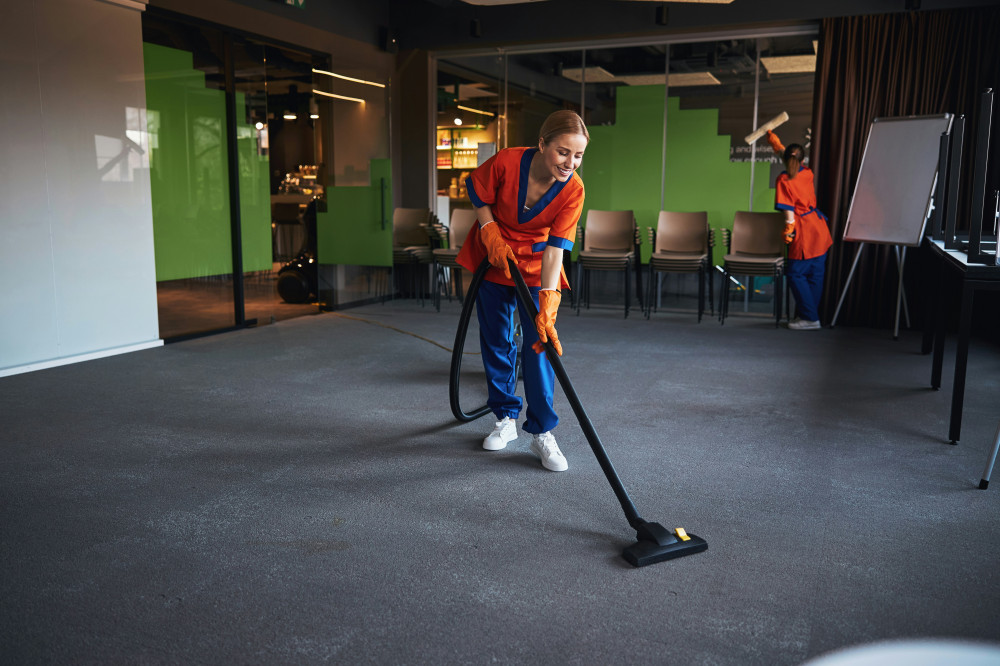
Facility management covers everything that keeps a building and its users functioning day to day – from cleaning, waste management, and energy optimisation to maintenance and safety. When sustainability is integrated into these processes, the goal is to minimise environmental impact through smarter solutions while keeping operational costs under control.
This might involve choosing eco-labelled cleaning products, using intelligent building management systems to optimise energy use, or reducing waste through predictive maintenance. Sustainable facility management is not a single initiative but a holistic approach where environmental, economic, and social considerations work together.
Economy and Environment – Two Sides of the Same Coin
Many still believe that sustainability inevitably costs more. Yet experience shows that green solutions often pay off in the long run. When energy consumption is reduced, waste is managed efficiently, and resources are used more effectively, operating costs fall. At the same time, an organisation’s reputation and attractiveness to clients and employees are strengthened.
A clear example is energy retrofitting of buildings. While the initial investment can be significant, lower electricity and heating bills quickly generate savings. The same applies to cleaning and maintenance, where durable materials and efficient methods reduce the need for replacements and repairs. In the UK, where energy prices and carbon reduction targets are key business concerns, such measures make both environmental and financial sense.
People at the Centre
Sustainable facility management is not only about technology and numbers – it is also about people. A healthy indoor climate, good lighting, and clean surroundings have a major impact on wellbeing and productivity. When buildings are managed with attention to both environmental and human factors, they become places where people thrive and perform better.
This means considering sustainability in everything from cleaning products to work routines. Using ergonomic equipment, reducing noise and dust, and ensuring fair working conditions for cleaning and maintenance staff are all part of a socially responsible approach. The human dimension is an essential pillar of true sustainability.
Digitalisation as a Driving Force
Technology is transforming modern facility management. Digital tools make it possible to monitor energy use, plan maintenance, and optimise resource consumption in real time. Sensors can detect when rooms are occupied, allowing cleaning, lighting, and ventilation to be adjusted accordingly – saving both energy and time.
Data provides valuable insights, helping decision-makers align operational, financial, and environmental goals. In the UK, where smart building technologies and data-driven energy management are rapidly advancing, digitalisation is becoming a key enabler of sustainable facility management. It also fosters collaboration between service providers, property managers, and building users, ensuring a more coordinated and efficient effort.
From Strategy to Action
Working sustainably requires a clear strategy and strong leadership commitment. It starts with setting measurable goals – such as reducing carbon emissions, cutting energy use, or increasing recycling rates – and translating them into concrete actions. This could involve adopting green procurement policies, training staff, or partnering with suppliers who share the same sustainability values.
Equally important is measuring and documenting progress. By collecting and analysing data on energy, waste, and maintenance, organisations can identify what works and where improvements are needed. Transparent reporting also helps demonstrate accountability to stakeholders and supports compliance with UK sustainability standards and regulations.
Læs også:


The Future of Facility Management Is Sustainable
Sustainable facility management is not a passing trend but the new standard for how buildings should be operated. It represents a mindset that combines responsibility with business acumen – proving that environmental stewardship and economic efficiency are not opposites but mutually reinforcing goals.
When organisations in the UK invest in sustainable solutions, they are investing in their future competitiveness, employee wellbeing, and the health of the planet. This is where economy and environment meet – in practice.
Læs også: